Today’s post is all about the history of the Quarter Horse breed, it’s standards and why it’s relevant. We all know and love Quarter Horses, they’re the every day “daily driver” horse of America, but do we know all the facts?
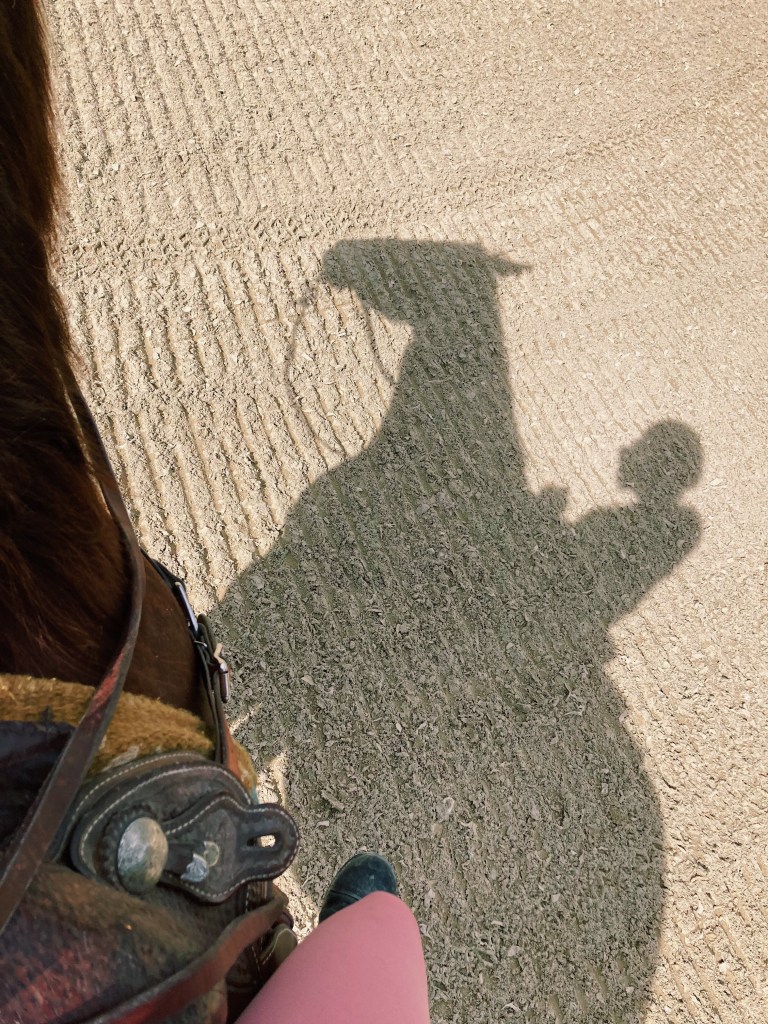
Traced as far back as 1611, Quarter Horses long descended from a string of imported Spanish Barbs and the Arabians and Thoroughbreds of the English world.
The Spanish Barbs were originally brought over by the Spanish, and eventually they trickled down to the Chicksaws. They were actually largely responsible for mixing these Barbs with the English stock horses that were coming over in the colonial days. For the next 150 years foundation Arabians like Janus and Thoroughbreds like The Godolphin helped change, shape and form the breed we love today.

While other names we look for in pedigrees were quickly popping up, Sir Archy for instance, there was another huge player we had yet to utilize on the west coast.
As all of the cowboys and their American dreams moved west, they quickly met the American Mustang. These free roaming, distantly related Spanish Barb offspring were the final pieces to form the breed. These guys were truly the final ingredient to making good all around horses.
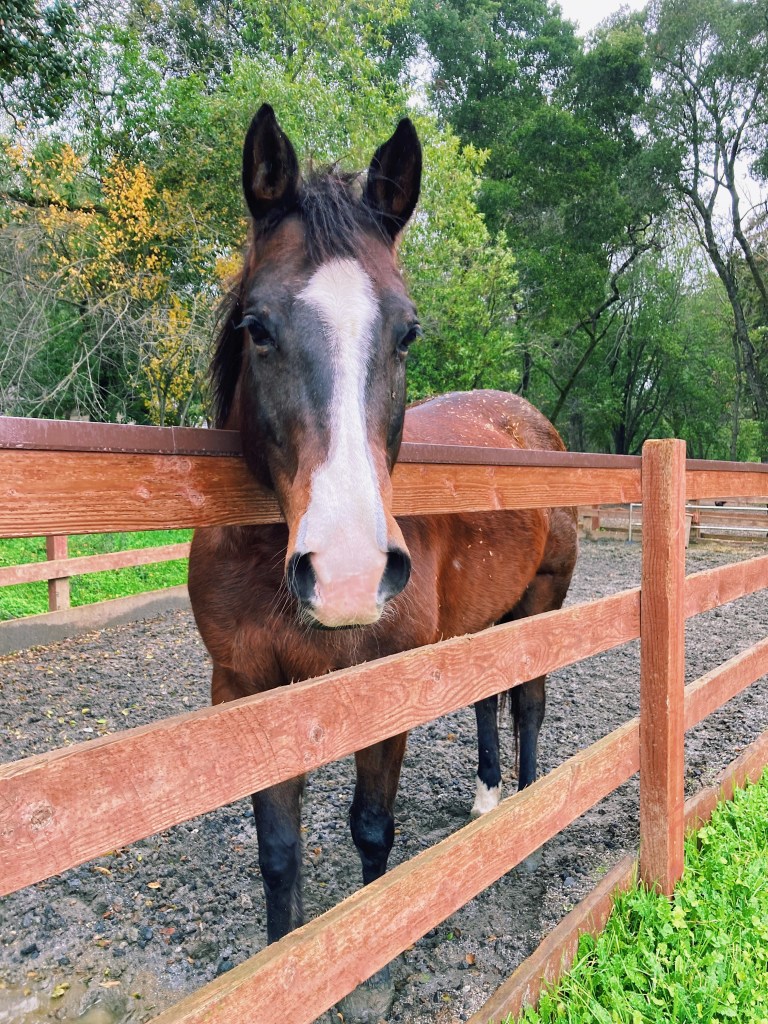
These horses were all around military, ranch, farm horses, they were race horses and continue to be today, they were also pleasure mounts and for show. Over the years breeders refined ideal temperaments, conformations, sport abilities, color aptitudes and more for these guys. It’s assumed there are some 4 million Quarter Horses out there, and I have been so lucky to meet a great handful of them.
If you’re wondering why this is relevant you might be behind on a new opportunity that was pushed my way…I’m riding for fun again. Next post we will go all into my new mount, her breeding and more, but today’s post was a needed preface.
The average Quarter Horse is 14.3-16 hands, 950-1200lbs, they come in all colors, but are most likely found in sorrel/chestnut. This versatile breed is known for their refined head, broad chest, muscled barrel/body, and a big round hindquarter.
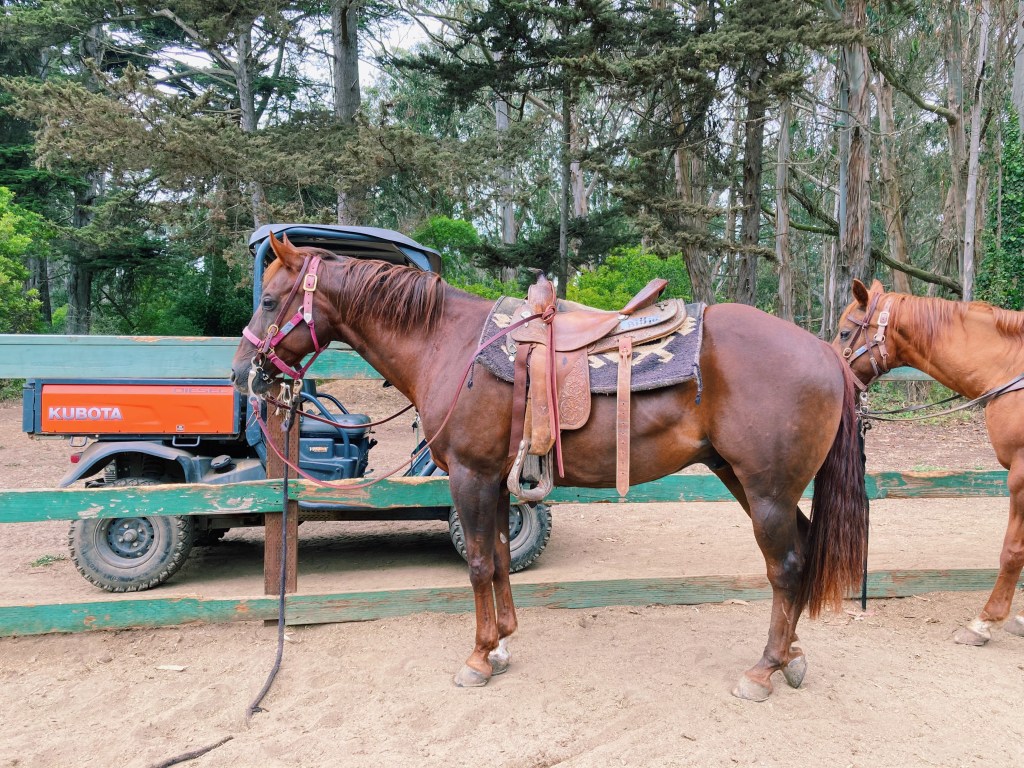
There are two types of Quarter Horses, stock and the racing/hunter type. Stock horses are more compact, versatile and bulky, whereas the hunter is well muscled, light boned in comparison, but agile. The stock horses are more proficient at working with livestock, reining, and soar at pleasure riding.
Halter bred horses are meant to be shown in hand more than ridden, and because of this they tend to fall low on my totem pole of favorites. They have very very refined heads, and hugely muscular bodies due to particular breeding. Unfortunately, these genetics are most susceptible to HYPP or hyperkalemic periodic paralysis. There will be another post about this condition, so no worries if you’re super interested.
And finally the hunter racing bred Quarter Horse mostly resembles the common Thoroughbred. These bloodlines sport more appendix (half QH half TB) and tend to be taller, slimmer and faster than it’s Quarter Horse peers.
Overall these horses are like the Toyota Camry’s of the world, they’re everywhere and run forever. However, with overbreeding, there is inbreeding and unfortunately some side effects from these decisions. Quarter Horses are some of the biggest sufferers of PSSM, or Equine Polysaccharide Storage Myopathy. Stemming from most likely three horses, Mr Conclusion for example, this condition has to monitored by diet and other preventative measures constantly. It’s been found that 48% of Quarter Horses with neuromuscular issues will be or have been diagnosed with PSSM.
And another thing to be aware of when breeding your Quarter Horses is the lethal white gene. Any color of horse is accepted under new rules put out by the American Quarter Horse Association (AQHA), so spotted horses carrying frame genes cannot be paired as the goals come out full white and don’t thrive after birth. They are doomed to suffer until their last breath.
While we discussed Quarter Horses today, there might be a question about their smaller friends. Quarter Ponies absolutely exist and are characterized just like their horse counterparts.
Look out for the next installment of Quarter Horse facts!!
 Grey2Bay