Late 2022, November to December especially the horse world was hit with a sack of bricks, a big distributor of alfalfa cubes was contaminated. If you are an active member of the horse world you know this already, but Top of the Rockies cubes have been spreading botulism. I have seen photos of cubes with animal parts in them, furthering the complaints nationwide. While it is smart to look through your other cubes by different brands, I would double check via google and your veterinarian, which cubes are safest to feed.
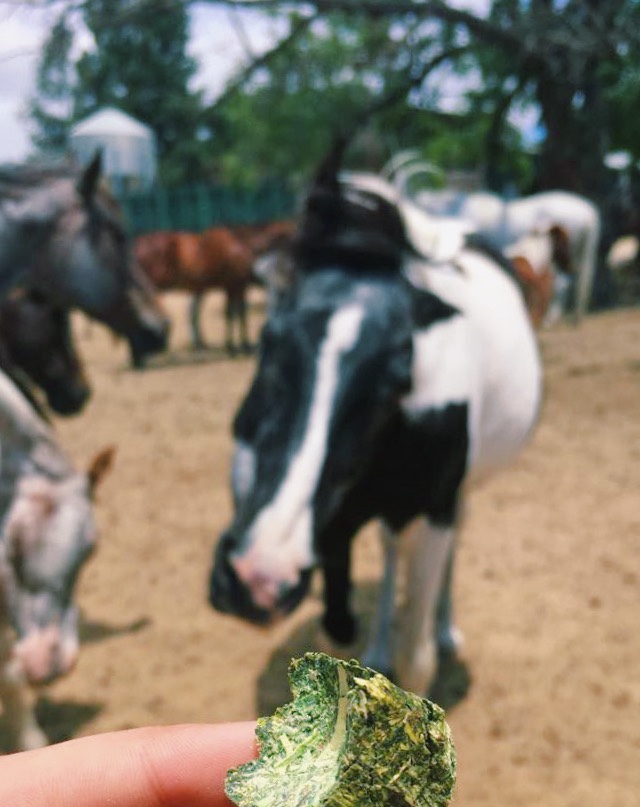
For those of you who are not familiar, botulism is nothing to fool around with. Botulism is a neuromuscular disease causing flaccid paralysis in horses due to the Clostridium botulinum neurotoxin. Horses are the most affected species by botulism, which is disheartening with this presumed outbreak.
There are a few types and a few causes of botulism, but this case is by feed. Contaminated or spoiled hay is often the main cause of this disease, also known as “forage poisoning”. It has been rumored and heavily suggested that birds are the main carrier for this disease, and the body parts I have seen photographed in the cubes would support that idea. Type C botulism is usually associated with contaminated feed or water caused by a carcass of a rodent or other small animal.
Foals are also susceptible to C. botulinum causing “shaker foal syndrome”. This is an overgrowth of the bacteria in the intestinal tract, most adult horses have a healthy and stable enough gut they are usually unaffected by an imbalance.
If you suspect your horse has been exposed, look out for these things. Excessive drooling, weak eyelids, weak tail, refusal to work, increased sleep, muscle weakness causing tremors, buckling and ataxia; internally, it may cause muscular paralysis causing quidding or choke, heavy and fast breathing may also be observed. In severe cases without proper preventatives, your horse may die from the exposure.
There is a PCR test your vet can run to test your horse for the disease, and there is an antitoxin for those affected. In most cases one shot is needed to help the patient, however as always it is best to discuss that with your licensed veterinarian. For foals with a strong intervention course usually recover, about 88% of them. For adults the recovery rate is much more dependent on how exposed they are. Like rabies in humans, its usually best to prepare yourself for the worst if they are actively showing symptoms of botulism contamination. The recovery rate for a very exposed horse leaves questions of quality of life, where some minimally exposed patients can return to normal life afterwards. There is no set answer unfortunately.
Type B toxoid is readily available in areas where there is a high rate of neonatal botulism, and the broodmares in the region are recipients of the vaccine as well. Type B only protects against Type B, Type C has no protection as Type C toxoid is not licensed in North America.
If you have any follow up questions, as always ring your veterinarian, and check your feed before commiting to putting it in front of your horse. Regardless of the cost, its in our horses best interest to do right by them especially since they no longer forage on their own. Take the extra time and break apart those cubes and see for yourself what they’re made of.
 Grey2Bay